At first glance, laser engraving may seem simple. A laser passes over a metal surface, leaving behind lettering, a logo or a precise pattern. Yet fascinating physics lies behind this process.
Depending on the material and laser settings, the metal surface may heat up, change colour, melt or lose a thin layer of material.
How can a beam of light create a permanent mark on steel, stainless steel or aluminium?

How can light change a metal surface?
A laser produces a concentrated beam of light that an optical system focuses onto a very small area. This can create a high energy density at the point of impact.
When the laser beam strikes metal, some of its energy is reflected and some is absorbed by the material. The absorbed energy turns into heat and causes changes in the surface layer of the metal.
What happens to the material depends on several factors, including the type of metal, its surface finish, laser power, pulse duration, scanning speed and focus.
With suitable settings, the laser can produce a visible mark without removing much material. At higher energy levels, it can melt the surface and gradually remove material.
Laser cutting uses a related principle: the beam energy is used to separate material. Read more in our article Mechanical cutting vs. laser cutting vs. milling.
Not all laser marks are created in the same way
The terms laser marking and laser engraving are often used interchangeably. Technically, however, they can refer to different processes.
Laser marking
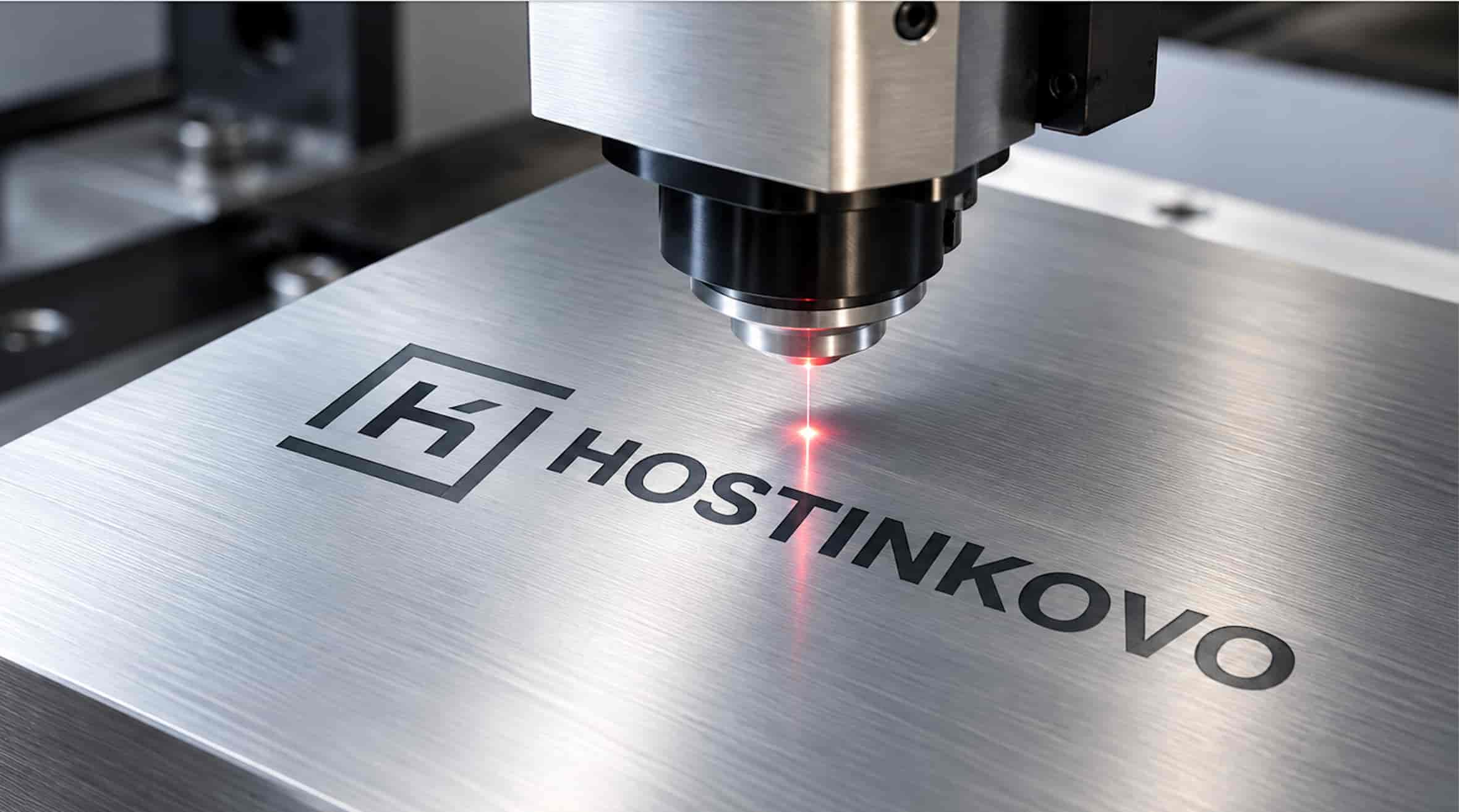
Laser marking is a broader term. It includes processes that change the appearance, structure or colour of a surface. The aim may be to create a clearly legible mark without deep material removal.
Laser engraving
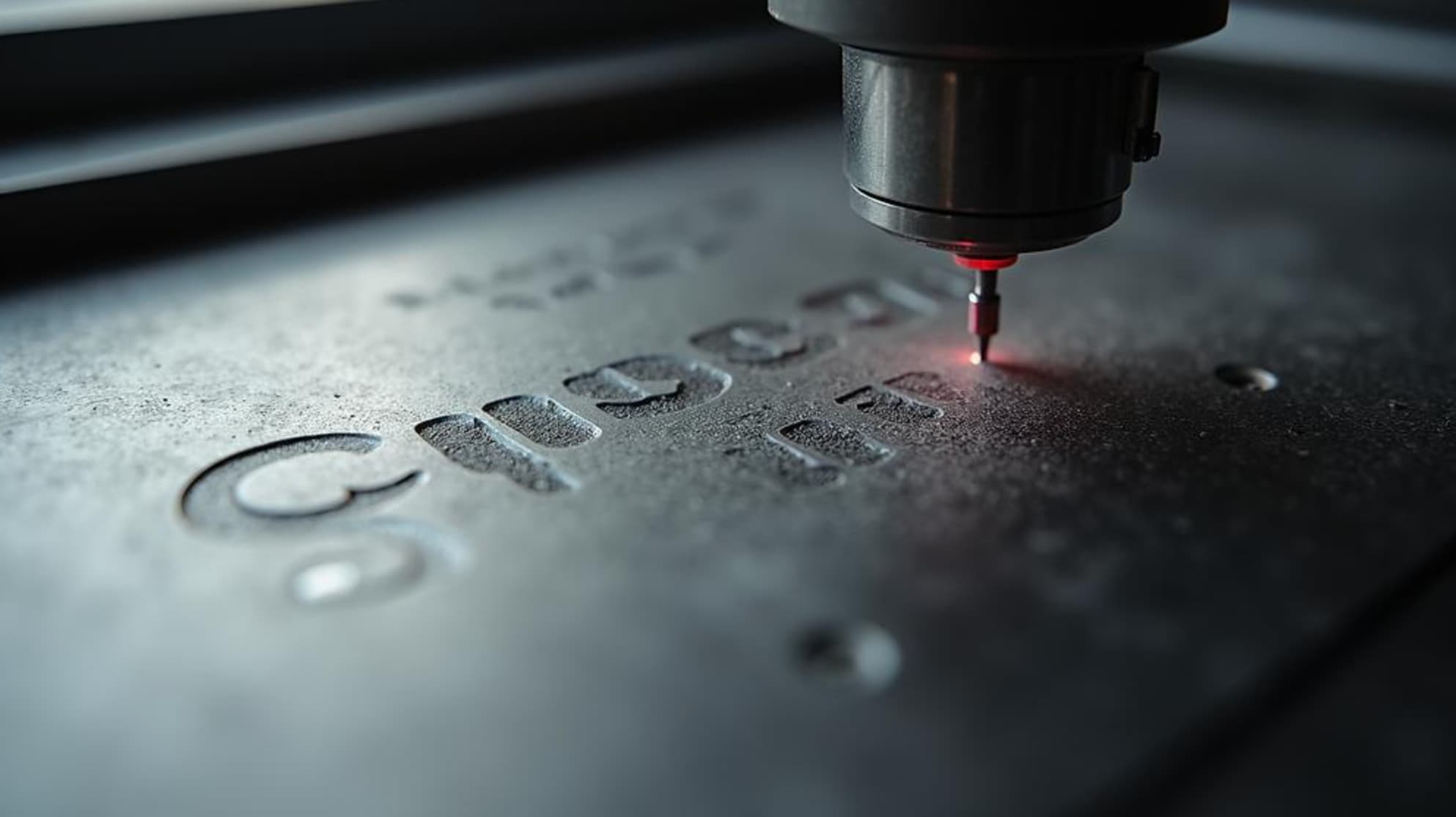
Laser engraving generally involves removing material from the surface. This creates recessed lettering, symbols or patterns that may also be felt by touch, depending on their depth.
In deep engraving, the laser repeatedly scans the same area, gradually removing additional layers of material. The resulting depth depends on the material, power, process settings and processing time.
The difference is therefore more than visual. Each method has its own capabilities, limitations and suitable applications.
From colour changes to material removal
Several physical phenomena can occur when metals are processed with a laser.
Heating and changes to the surface layer
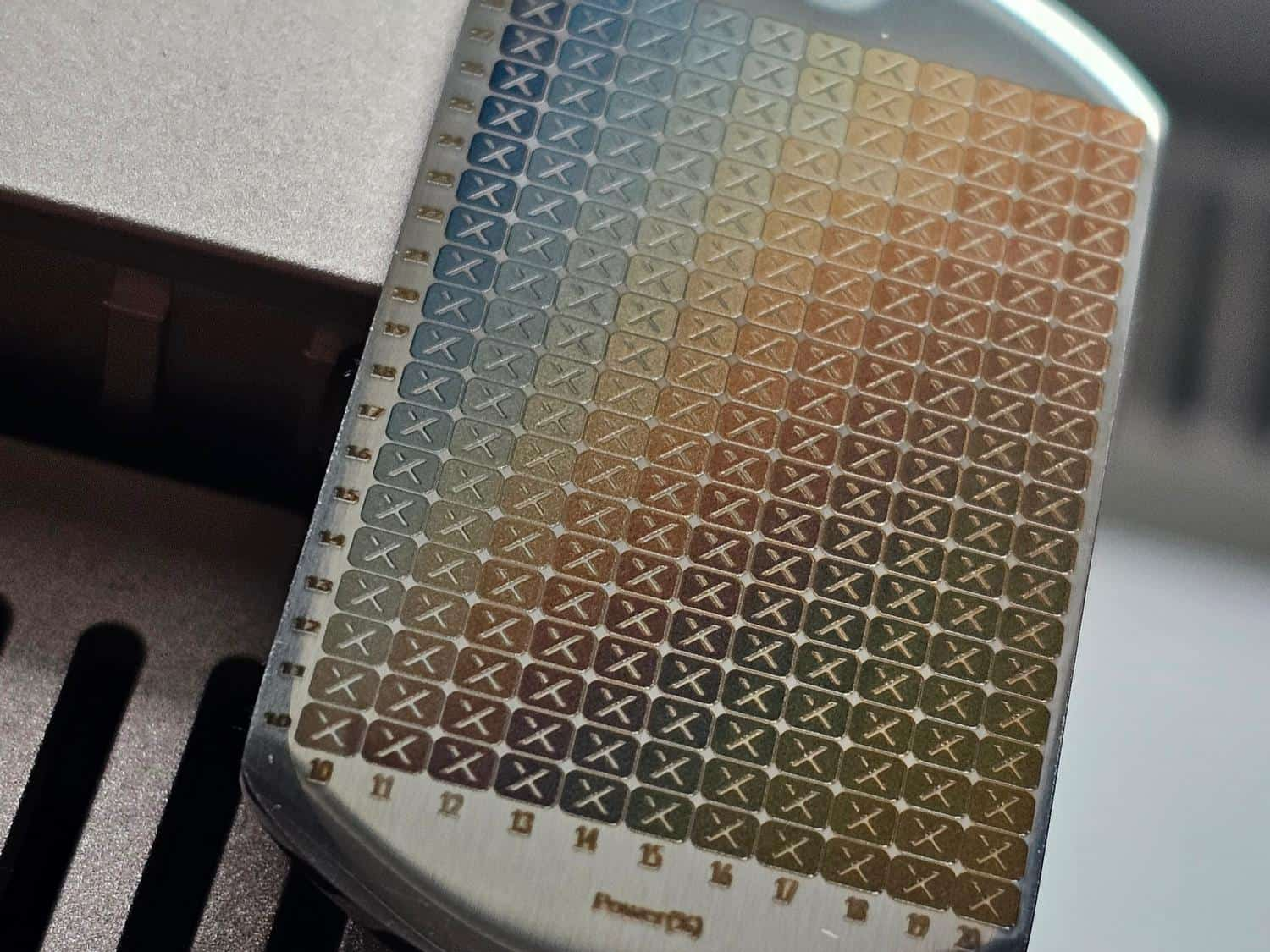
On certain metals, such as stainless steel, carefully controlled heat input can produce visible changes in colour or contrast. The resulting shade depends on the surface properties and condition as well as the laser parameters.
Surface melting
At higher energy densities, a thin layer of metal may melt locally. After cooling, the altered surface structure can affect the appearance and roughness of the marked area.
Material removal – ablation
If enough energy is supplied, material can be removed from the surface. With pulsed lasers, these are very fast, localised processes involving vaporisation, melting and the ejection of material.
Repeated material removal is what produces deeper engraved patterns, numbers and reliefs.
These processes can overlap. In practice, the boundaries between different laser processing methods are not always clear-cut.
Why does each metal engrave differently?
The same laser settings do not necessarily produce the same result on two different materials.
Steel, stainless steel, aluminium, brass and copper differ in reflectivity, thermal conductivity, melting point and surface-layer properties.
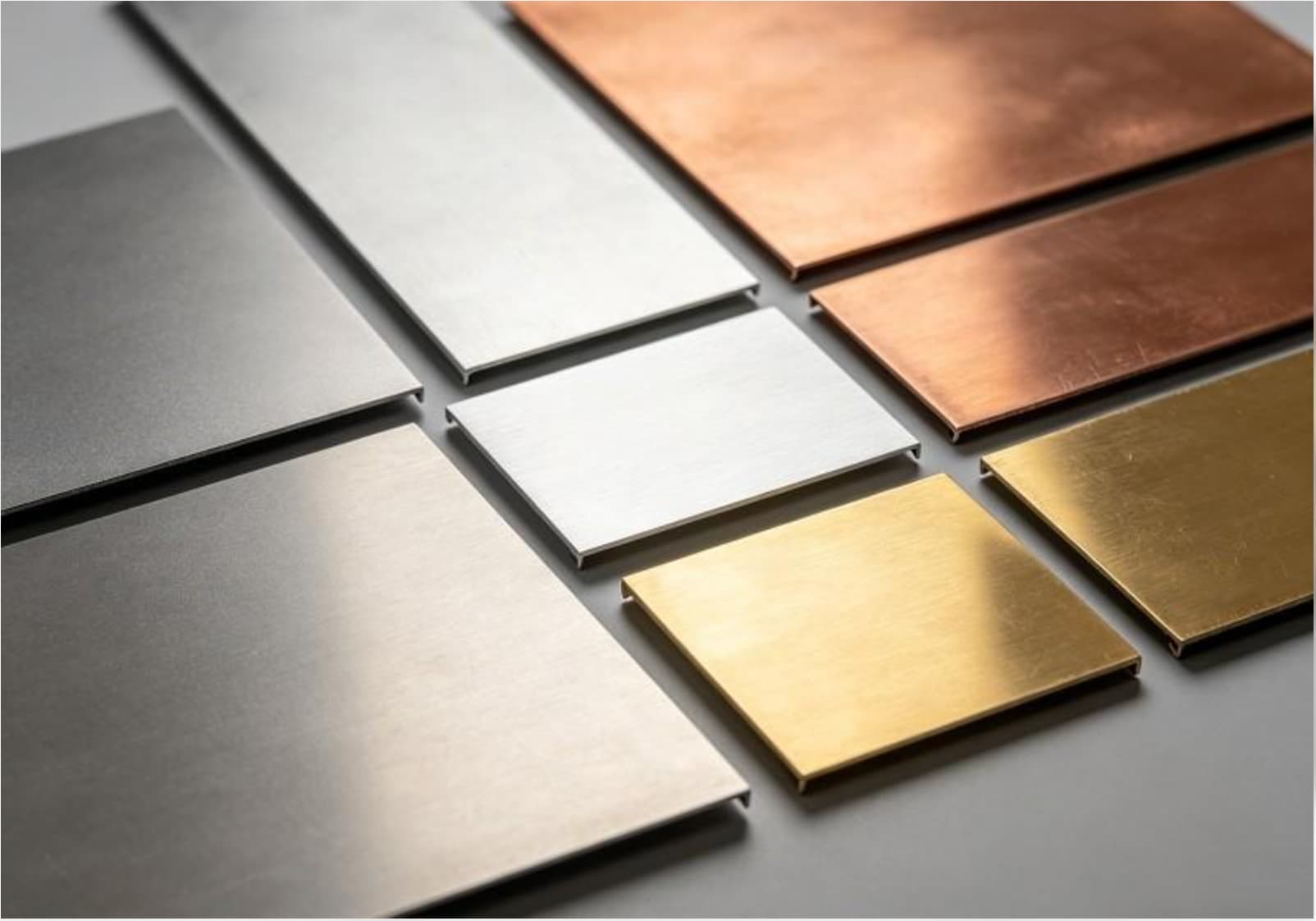
Steel
Steel can be surface-marked or engraved more deeply; the result depends on the specific grade and surface condition.
Stainless steel
Stainless steel can produce high-contrast markings under suitable conditions without substantial material removal. However, an unsuitable process can alter the surface and affect its corrosion resistance.
Aluminium
Aluminium has high thermal conductivity, and its response to a laser also depends on the alloy and surface treatment. Anodised aluminium can behave very differently from an untreated surface.
Copper and brass
Copper and brass can be more challenging to process at certain wavelengths because of their high reflectivity and other material properties.
Engraving parameters must therefore be adjusted to the specific material, desired result and laser system used.
How does a laser create precise shapes?
Galvo technology and laser beam movement

Galvo systems are often used for industrial laser marking. Instead of mechanically moving the entire laser head, rapidly moving mirrors deflect the beam.
The mirrors direct the beam to individual points across the working area to produce the required lettering, logo, number or pattern.
This allows the laser beam to be guided precisely across the material surface without the tool coming into direct contact with the workpiece.
In 3D galvo systems, the optical assembly can also adjust the focal position. With a suitable configuration, this makes it possible to work on certain uneven or curved surfaces.
However, the term “3D laser” alone does not mean that any shape can be engraved. The capabilities of the specific machine, the part geometry and the laser beam’s access to the surface are decisive.
What determines engraving quality?
The quality of a laser mark does not depend on laser power alone.
Several parameters need to work together:
- Power and pulse energy affect the amount of energy delivered to the material.
- Scanning speed determines how long the laser acts on each point.
- Pulse frequency affects the timing and overlap of successive pulses.
- Beam focus affects spot size and energy density at the surface.
- Number of passes can influence engraving depth and the resulting surface structure.
Surface cleanliness, roughness and how the part is secured also matter.
Higher power therefore does not automatically mean better engraving. Excess energy can cause unwanted melting, uneven edges or reduced legibility of fine details.
Where is laser engraving used?
Laser marking and engraving are used not only in industrial manufacturing but also to personalise products and create branded or promotional items.
Typical applications include:
- Serial numbers and production markings on machine parts.
- Logos and identification details on metal components.
- Nameplates and technical equipment labels.
- QR codes and Data Matrix codes for product identification and traceability.
- Marking tools, fixtures and components.
- Corporate and promotional items – engraving logos, company names or personalised messages on metal pens, keyrings, insulated bottles and other suitable items.
- Personalised products and gifts – names, dates, initials or decorative designs on metal items.
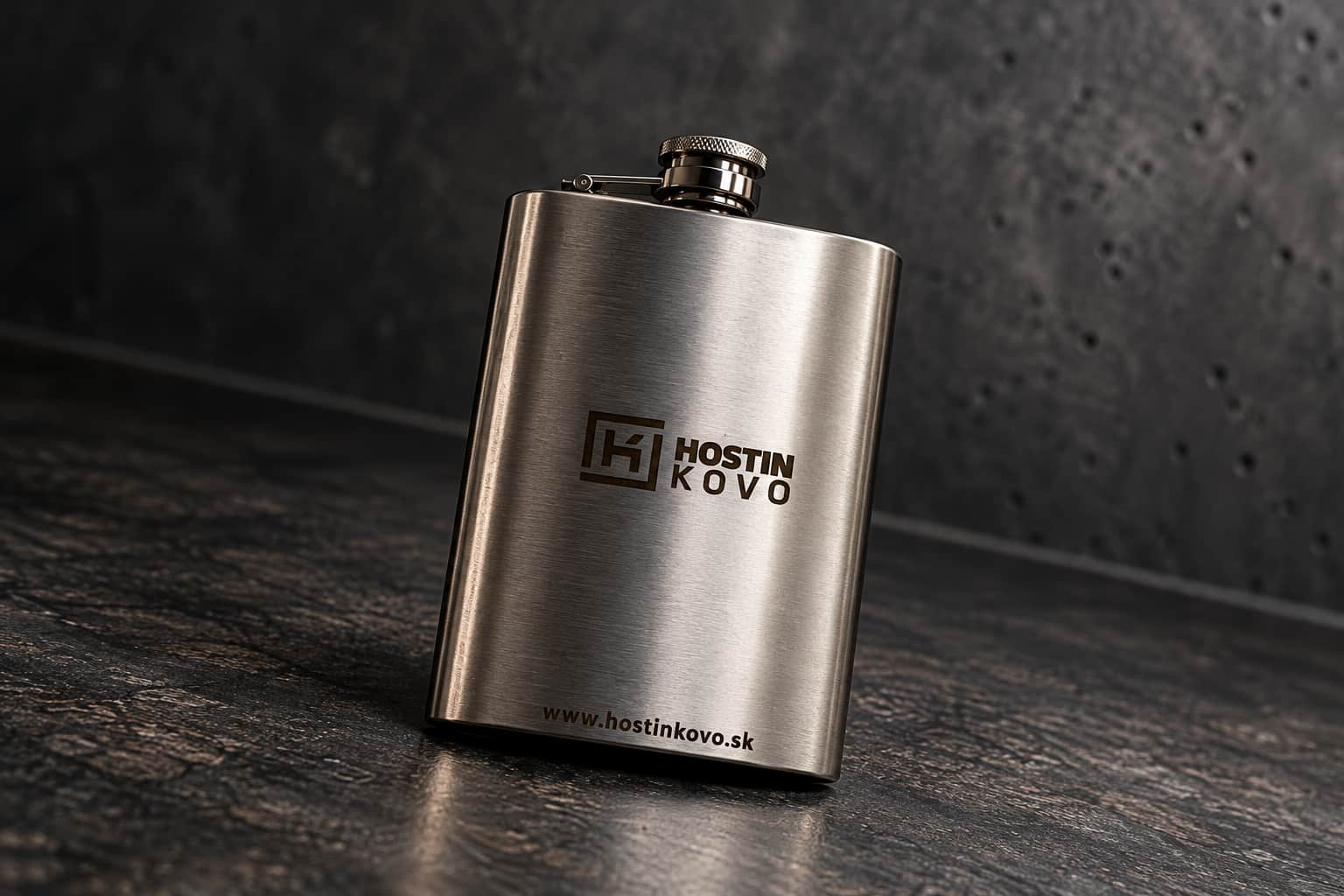
For industrial applications, accuracy, legibility and marking durability are particularly important. For corporate and personalised products, appearance, fine detail and contrast also play a major role.
In both cases, a laser can create precise markings without direct mechanical contact with the product surface.
Need to mark metal parts, nameplates, serial numbers or promotional items? Explore our metal laser engraving services.
A small mark, a precisely controlled process
Behind a simple inscription on a metal part lies a precisely controlled transfer of energy into the material.
A laser can change the appearance or structure of a surface or gradually remove material from it. The result depends on the metal properties, the technology used and correctly selected parameters.
Laser engraving is therefore about more than adding lettering. It is a technical process in which even details that are not immediately visible on the finished product can make a difference.
Need metal parts marked or engraved?
At HOSTINKOVO, we specialise in laser engraving of metal parts and other metalworking technologies, including laser cutting of tubes and profiles and metal fabrication.
Whether you need a technical marking, a company logo or a personalised product, the right approach depends on the material, surface and desired result.
Contact us to discuss what is feasible for your project.
